
Study MBBS Abroad Most Affordable MBBS Package
(Gyandeep NGO-Endorsed MBBS Scholarships Available)
Free Counselling
Get Free Counselling
Enquire Now
Introduction to Studying MBBS in India
India has long been recognized as a premier destination for medical education, with a deep-rooted history in medicine dating back thousands of years. From the time of ancient Ayurvedic texts to modern medical advancements, India has been at the forefront of healthcare and medical education. The country offers world-class infrastructure, experienced faculty, and a structured curriculum, making it a top choice for students aspiring to pursue MBBS.
Historical Contributions to Medicine in India
India’s medical heritage can be traced back to Charaka (300 BCE - 200 CE), the author of the Charaka Samhita, one of the foundational texts of Ayurveda. Charaka emphasized preventive medicine, detailed over 600 medicinal plants, and introduced diagnostic methods that remain relevant today. Similarly, Sushruta (6th century BCE), known as the "Father of Surgery," wrote the Sushruta Samhita, describing over 300 surgical procedures, including early forms of plastic surgery, cataract removal, and suturing techniques.
Fast-forward to the colonial era, institutions like the Madras Medical College (est. 1835), Calcutta Medical College (est. 1835), and Grant Medical College (est. 1845) laid the foundation for modern medical education in India. These institutions, modeled on European medical schools, became the training grounds for some of India's most distinguished doctors.
Modern Medical Education in India
Today, India is home to over 600 medical colleges, including globally renowned institutions like:
- All India Institute of Medical Sciences (AIIMS, est. 1956)
- Christian Medical College (CMC, est. 1900)
- King George’s Medical University (est. 1905)
- JIPMER (est. 1956)
Why is India the Best Choice for Students?
Affordable and High-Quality Education
One of the biggest advantages of pursuing MBBS in India is the affordability compared to other countries. Government medical colleges offer subsidized fees, while private institutions provide state-of-the-art facilities at a reasonable cost.
Top-Ranked Medical Universities
India is home to some of the best medical universities in India for Indian students, with institutions like AIIMS, JIPMER, and MAMC holding prestigious global rankings. These universities follow a rigorous curriculum and provide hands-on clinical training.
Advanced Medical Infrastructure
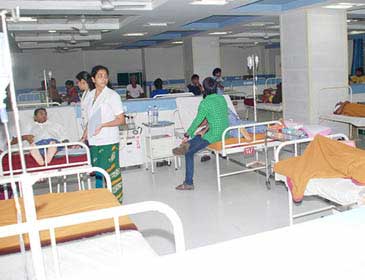
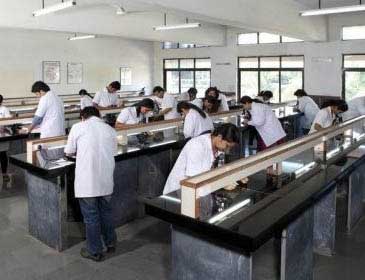
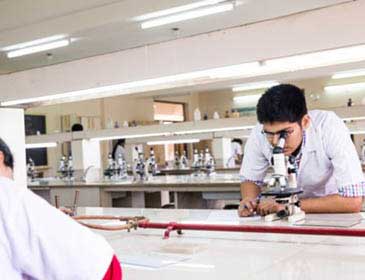
With modern hospitals and well-equipped laboratories, medical education in India provides students with practical exposure to real-life medical cases, ensuring they graduate as competent professionals.
Global Recognition and Accreditation of Medical Degrees
Medical degrees obtained from India are recognized globally, making graduates eligible for various international licensing exams such as the USMLE, PLAB, and FMGE. MBBS abroad for Indian students often requires additional exams, but studying in India eliminates many such hurdles. The Medical Council of India (MCI) and the National Medical Commission (NMC) regulate medical education, ensuring high standards across all institutions.
Post-MBBS Opportunities
Higher Education and Specialization: After completing an MBBS in India, students have multiple pathways, including pursuing postgraduate studies like MD/MS or super-specialization in fields such as cardiology, neurology, and oncology.
Employment Prospects: Graduates can work in government or private hospitals, establish their own practice, or explore opportunities in medical research and academia. India’s growing healthcare sector offers numerous job prospects for qualified doctors.
International Career Opportunities
Many Indian medical graduates opt to work abroad by clearing country-specific licensing exams, benefiting from the strong global reputation of Indian medical degrees.
Advantages of Studying MBBS in India
Affordable Tuition Fees and Cost of Living
- India offers affordable MBBS programs, making it a budget-friendly choice for medical aspirants.
- The cost of living is lower compared to many other countries, ensuring students can manage their expenses effectively.
- Availability of government and private medical colleges with various fee structures to suit different budgets.
English-Medium Programs
- Many top medical colleges offer English-medium MBBS courses, ensuring ease of learning for Indian and international students.
- Eliminates language barriers, making it easier to understand complex medical concepts.
- Students gain proficiency in medical English, an advantage for global medical practice.
High-Quality Education with Modern Infrastructure
- Indian medical universities are equipped with state-of-the-art infrastructure and advanced medical technology.
- Curriculum aligned with global standards, ensuring a comprehensive medical education.
- Practical exposure through top-tier hospitals and extensive clinical training.
Simplified Admission Process
- NEET exam-based admissions ensure transparency and merit-based selection.
- No requirement for entrance exams like IELTS or TOEFL for Indian students.
- Streamlined admission process with well-defined eligibility criteria.
Internationally Recognized Universities
- Medical degrees from Indian universities are recognized by WHO, NMC (MCI), and other global medical bodies.
- Graduates can apply for licensing exams like USMLE, PLAB, FMGE, and more to practice worldwide.
- Strong reputation of Indian doctors in international medical communities.
Safe and Friendly Environment for International Students
- India offers a safe and welcoming atmosphere for students from diverse backgrounds.
- Culturally rich and diverse, helping international students feel at home.
- Dedicated support systems, hostels, and international student offices for assistance.
Read Also: Neet Syllabus
Eligibility Criteria for MBBS in India
Pursuing an MBBS degree in India requires meeting specific eligibility criteria set by the National Medical Commission (NMC) and respective universities. Below are the key requirements prospective students must fulfill.
Academic Requirements
- To be eligible for MBBS in India, candidates must meet the following academic criteria:
- Completion of 10+2 or equivalent from a recognized board.
- Minimum aggregate of 50% in Physics, Chemistry, and Biology (40% for reserved categories).
- English must be a compulsory subject in 10+2.
Age Limit
- The minimum age for MBBS admission in India is 17 years as of December 31 of the admission year.
- The upper age limit is 25 years for general category students and 30 years for reserved categories (subject to government regulations).
NEET Exam Qualification
- Qualifying NEET (National Eligibility cum Entrance Test) is mandatory for admission to MBBS in India.
- Candidates must achieve the minimum qualifying percentile:
- General Category: 50th percentile
- SC/ST/OBC: 40th percentile
- PwD Candidates: 45th percentile
- The NEET score for admission to MBBS in India varies by college and category.
Other Admission Criteria
- Some states require domicile certificates for state quota seats.
- Admissions to government and private medical colleges are conducted through centralized counseling based on NEET scores.
- NRI candidates may have a separate eligibility criterion based on university requirements.
Top Medical Universities for MBBS in India
India is a globally recognized destination for medical education, offering top-ranked universities with excellent infrastructure, clinical exposure, and affordable tuition fees. The country is home to some of the best medical institutions that produce world-class healthcare professionals.
1. All India Institute of Medical Sciences (AIIMS), New Delhi
Overview
AIIMS New Delhi is the most prestigious medical institution in India and is consistently ranked as the top medical university. It offers world-class education, research facilities, and patient care.
Why Choose AIIMS?
- Highly competitive entrance exam (NEET AIIMS) ensures the best students get admitted.
- Cutting-edge research and technology in various medical fields.
- State-of-the-art hospitals offering clinical exposure to students.
- Affordable tuition fees compared to private medical colleges.
- Recognized by WHO, NMC, and other global medical bodies.
Special Features
- AIIMS has separate centers for super-specialty treatments such as Cardiology, Neurology, and Oncology.
- AIIMS graduates have a high success rate in USMLE and PLAB exams, making it easier for them to practice medicine abroad.
2. Christian Medical College (CMC), Vellore
Overview
Established in 1900, CMC Vellore is one of the oldest and most respected medical institutions in India. It is renowned for its quality education, excellent faculty, and emphasis on research.
Why Choose CMC Vellore?
- Ranked among the top 3 medical colleges in India.
- Special focus on rural and community healthcare, providing students with hands-on patient interaction.
- Research-driven programs with global collaborations.
- Affordable MBBS fees compared to private medical institutions.
Special Features
- CMC Vellore has one of the largest medical research centers in India.
- It offers one of the best practical training experiences with over 2,500 beds in its associated hospital.
3. Armed Forces Medical College (AFMC), Pune
Overview
AFMC Pune is a premier medical institution run by the Indian Armed Forces. It provides an MBBS program integrated with military training, preparing students for a career in defense medical services.
Why Choose AFMC Pune?
- Fully funded medical education, with a mandatory service bond in the Armed Forces.
- Top-class infrastructure with advanced medical technology.
- Clinical training at military hospitals, giving students exposure to diverse medical cases.
- Guaranteed job opportunities in the Indian Armed Forces after graduation.
Special Features
- AFMC students receive stipends and financial aid during their education.
- Strong emphasis on discipline, leadership, and emergency medicine training.
4. Maulana Azad Medical College (MAMC), New Delhi
Overview
MAMC is one of the best government medical colleges in India, offering an excellent MBBS program at an affordable cost. The college is affiliated with Lok Nayak Hospital, GB Pant Hospital, and Guru Nanak Eye Centre, providing students with extensive clinical exposure.
Why Choose MAMC?
- One of the highest-ranking government medical colleges in India.
- Affordable tuition fees for both Indian and international students.
- Affiliation with multiple hospitals, ensuring hands-on clinical training.
- Strong alumni network with successful doctors worldwide.
Special Features
- MAMC has an active research community, making it a preferred choice for students interested in medical research.
- The college has one of the highest NEET cut-offs, attracting top-performing students.
5. Jawaharlal Institute of Postgraduate Medical Education & Research (JIPMER), Puducherry
Overview
JIPMER is an autonomous medical institute under the Government of India and is ranked among the top medical colleges in the country. It is known for its high academic standards, research contributions, and patient care services.
Why Choose JIPMER?
- No NEET required (JIPMER has its own entrance exam).
- Advanced teaching methods and well-equipped laboratories.
- JIPMER Hospital offers students practical training in various specializations.
- Recognized by WHO, MCI (NMC), ECFMG, and other global organizations.
Special Features
- JIPMER offers dual campuses in Puducherry and Karaikal, providing students with greater learning opportunities.
- Strong exchange programs with international medical universities.
Cost of Studying MBBS in India
MBBS Fees in India: A Detailed Breakdown
Pursuing an MBBS degree in India is a popular choice for students due to its high-quality education and affordability compared to many other countries. Below, we provide a comprehensive breakdown of tuition fees, living expenses, scholarships, and a cost comparison with other nations.
| Institution Type | Annual Tuition Fees (INR) |
|---|---|
| Government Colleges | 10,000 – 2,00,000 |
| Private Colleges | 10,00,000 – 25,00,000 |
| Deemed Universities | 15,00,000 – 30,00,000 |
Admission Process for MBBS in India: A Step-by-Step Guide
If you're considering pursuing MBBS in India, here's a comprehensive step-by-step guide to make your admission process as smooth as possible. Follow these key steps to ensure you are on the right path to secure your seat in one of India's prestigious medical colleges.
Step-by-Step Admission Guide to MBBS in India
Research and Choose Your Preferred Medical College
- Start by researching various medical colleges in India. Consider factors such as location, infrastructure, faculty, and reputation to make an informed decision.
Eligibility Criteria for MBBS in India
Ensure you meet the basic eligibility requirements:
- Minimum age: 17 years by December 31st of the year of admission.
- Educational qualification: Completed 10+2 or equivalent with at least 50% marks (45% for reserved categories) in Physics, Chemistry, and Biology.
- Qualifying NEET (National Eligibility cum Entrance Test).
Register and Appear for NEET Exam
- NEET is the gateway exam for MBBS admission in India. Register for the exam, prepare well, and appear for it. Ensure you score the required marks to secure a seat in your desired college.
Fill the Application Form for MBBS Admission
- Once you qualify for NEET, you must fill out the application form of the specific medical college or the All India Counselling system (AIQ).
Documents Verification
During the application process, you will need to submit verified documents. The required documents include:
- NEET Admit Card
- NEET Scorecard
- Class 10th and 12th Mark Sheets
- Birth Certificate or Aadhaar Card
- Passport-sized Photographs
- Caste Certificate (if applicable)
- Medical Fitness Certificate
Counselling and Seat Allotment
If you have qualified NEET 2025, the next crucial step is MBBS counselling to secure admission in government or private medical colleges in India. Follow this step-by-step guide for NEET UG Counselling 2025-26, covering All India Quota (AIQ), State Quota, and Private College Counselling.
Step 1: Check NEET 2025 Result & Eligibility
- Visit the official NTA NEET website and download your NEET scorecard.
- Check the NEET cutoff for government & private medical colleges in India.
- Note your All India Rank (AIR), category rank, and percentile score.
Step 2: Register for NEET Counselling 2025-26
For All India Quota (AIQ) Counselling:
- Visit MCC Official Website for 15% AIQ seats in government medical colleges, Deemed Universities, AIIMS, JIPMER, and Central Universities.
- Complete the online registration, pay the counselling fee, and proceed to choice filling.
For State Quota Counselling
- Each state conducts separate counselling for 85% of government college seats + private medical colleges.
- Register on your respective state counselling authority website (e.g., Maharashtra, Karnataka, Tamil Nadu, UP, etc.).
For Private & Deemed University Counselling
- MCC conducts counselling for Deemed Medical Universities, while states manage private colleges.
- Candidates must apply separately if they are interested in private medical colleges.
Step 3: Choice Filling & Locking
- Select medical colleges based on your NEET rank, seat matrix, and category reservation.
- Prioritize government colleges if eligible for AIQ or State Quota seats.
- Lock your final choices before the deadline to avoid auto-selection.
Step 4: Seat Allotment Process
- MCC & State Counselling authorities release seat allotment results based on your NEET rank and preference.
- If allotted a seat, download the seat allotment letter from the official website.
- If not satisfied, participate in Round 2 or Mop-Up Rounds for better options.
Step 5: Reporting to the Allotted Medical College
Visit the allotted college within the given time frame for document verification & admission confirmation.
Carry original documents, including:
- NEET 2025 Admit Card & Scorecard
- 10th & 12th Mark Sheets
- Caste Certificate (if applicable)
- Aadhaar Card/PAN/Passport
- Domicile Certificate (for state quota)
- Medical Fitness Certificate
- Pay the first-year MBBS fees as per the college guidelines.
Step 6: Further Rounds & Mop-Up Round
If unsatisfied with the allotted seat, you can apply for Round 2, Mop-Up Round, or Stray Vacancy Round.
- Private colleges conduct direct admission rounds if seats remain vacant.
- Important NEET UG Counselling 2025-26 Dates (Tentative)
- Round 1 Registration – July 2025
- Round 1 Seat Allotment – August 2025
- Round 2 Registration – September 2025
- Mop-Up Round – October 2025
Pay the Admission Fee
- Once you have secured a seat in a medical college, pay the admission fee to confirm your place. Be mindful of deadlines to avoid missing out on your seat.
- Key Deadlines and Timelines
- NEET Registration: Typically in the month of March or April.
- NEET Exam Date: Usually in May.
- Result Declaration: NEET results are announced in June.
- Counselling Process: Starts in July after the results.
- Admission Confirmation: Fees must be paid by the end of August.
- Required Documents Checklist for MBBS in India
- NEET Admit Card
- NEET Scorecard
- Class 12th Certificate and Marksheet
- Class 10th Certificate
- Birth Certificate
- Caste Certificate (if applicable)
- Passport-sized Photographs (5-6)
- Medical Fitness Certificate
MBBS Curriculum in India
Duration of the Program
The MBBS program in India typically spans 5.5 years. The first 4.5 years are dedicated to theoretical learning and practical sessions, while the remaining 1 year is reserved for compulsory internship training.
Structure of the Medical Program
The MBBS curriculum in India is divided into three phases:
- Phase I (Pre-clinical Phase): Focuses on basic medical sciences such as Anatomy, Physiology, and Biochemistry.
- Phase II (Para-clinical Phase): Covers subjects like Pharmacology, Microbiology, Pathology, and Forensic Medicine.
- Phase III (Clinical Phase): Focuses on clinical subjects such as Medicine, Surgery, Pediatrics, Obstetrics, and Gynecology.
Subjects and Clinical Training
- The MBBS curriculum in India includes both theoretical subjects and hands-on clinical training. Students learn medical sciences, patient care, clinical skills, and basic life support techniques.
- The training focuses on diagnostic skills, patient interaction, and clinical procedures in hospital settings.
Internship Opportunities and Practical Exposure
- After the academic phase, students undergo a one-year compulsory internship in hospitals to gain real-world medical experience. This includes rotations through various departments like Surgery, Medicine, Pediatrics, and Obstetrics.
- Practical exposure during MBBS in India helps in strengthening clinical skills and applying theoretical knowledge in a clinical setting.
Examination Patterns and Assessments
- The MBBS curriculum in India is assessed through theory exams, practical exams, viva, and internal assessments.
- Examinations are held at the end of each academic year, with students required to pass both written and clinical assessments to proceed to the next phase.
Clinical Training and Internship Opportunities
- Clinical training is integrated into the MBBS course, with students participating in ward rounds, learning diagnostic techniques, and engaging in surgical and medical procedures.
- The internship opportunities provide exposure to different medical disciplines and offer an opportunity for students to work under the supervision of experienced doctors, which is crucial for their medical career development.
Life in India for Indian and International Students
Studying in India offers an exciting and enriching experience for both Indian and international students. With its vibrant culture, diverse lifestyle, and world-renowned educational institutions, life in India is an adventure that blends academic rigor with rich cultural experiences. Let’s dive into what student life in India is really like, from the food and weather to festivals and social activities.
Culture and Lifestyle
India is known for its rich cultural heritage and diversity, which creates a vibrant and dynamic environment for students. Whether you are from India or abroad, you will find that the culture and lifestyle in India are fascinating, and they offer an immersive experience.
- Cuisine: Indian cuisine is world-famous for its diverse flavors, and as a student, you will find an abundance of food options from across the country. Whether you prefer spicy North Indian dishes, South Indian dosas, or international cuisines, there is something for everyone.
- Weather: India’s climate can vary greatly depending on the region, but generally, students can expect hot summers, mild winters, and a monsoon season. Students from all around the world adapt to the different weather conditions and enjoy the warmth and hospitality of Indian culture.
Accommodation Options for MBBS Students in India
University Hostels vs. Private Housing
| Category | University Hostels | Private Housing |
|---|---|---|
| Cost | Affordable option, providing proximity to university campuses. Great for students who prefer a social environment. | Can be more expensive but offers flexibility in location and amenities. |
| Privacy | Shared spaces, more social living environment. | More privacy and control over living conditions. |
| Location | Typically close to university campuses, offering convenience for commuting to lectures. | Can be further from the university, but offers quieter surroundings and potentially better locations. |
| Facilities and Amenities | Basic amenities like shared rooms, study areas, Wi-Fi, and common kitchens. | A wider range of amenities, including fully furnished apartments, air conditioning, private bathrooms, etc. |
| Personalized Services | Limited services. | May offer more personalized services such as laundry and kitchen supplies. |
MBBS in India – Visa Process and Travel Guidelines for OCI/NRI Students
If you are an Overseas Citizen of India (OCI) or a Non-Resident Indian (NRI) planning to pursue MBBS in India, understanding the visa process and travel guidelines is crucial. This guide outlines the student visa requirements and travel tips specifically for OCI/NRI students seeking medical education in India. Note: These guidelines do not apply to Indian domicile students, as they do not require a visa.
1. MBBS in India: Student Visa Process for OCI/NRI Students
students apart from Indians (foreign nationals) can study in a government MBBS college in India, but there are specific conditions and limited seats. Here’s how:
Admission for Foreign Nationals in Government Medical Colleges
Foreign students can apply for MBBS in Indian government medical colleges through specific quotas and schemes:
a) AIIMS (All India Institute of Medical Sciences) Admission: AIIMS reserves a few MBBS seats for foreign nationals (typically for SAARC and other selected countries).
Admission is direct and does not require NEET. Selection is based on recommendations from the government of the candidate’s home country.
b) Central Government Quota (Under MEA & ICCR): The Ministry of External Affairs (MEA) & Indian Council for Cultural Relations (ICCR) offer scholarships to foreign students.
MBBS seats are provided under the Diplomatic/MEA quota in select government medical colleges.
c) NRI/OCI Quota in Government Colleges: Some state government medical colleges allocate 5-15% of MBBS seats for NRI/OCI students under the NRI quota.
Admission is based on NEET UG scores.
Eligibility Criteria for Foreign Nationals
- Must have completed 12th grade/equivalent with Physics, Chemistry, Biology, and English.
- Minimum aggregate marks (varies by state/college, usually 50% or more in PCB).
- NEET UG qualification is mandatory for most colleges (except for some AIIMS foreign quota seats).
- Students must get an Eligibility Certificate from the National Medical Commission (NMC) before admission.
Fees for Foreign Students in Government Colleges
Fees for foreign students in government colleges are higher than for Indian students but lower than private medical colleges.
- AIIMS foreign student fee: ~$1000-$5000 per year (varies by category).
- NRI Quota Fees in Govt Colleges: ~$10,000 - $30,000 per year (varies by state).
Alternative Options for Foreign Students
If a foreign student doesn’t secure a government college seat, they can apply for:
- Private medical colleges in India (under NRI quota).
- Deemed universities (Manipal, JSS, DY Patil, etc.) that offer MBBS to foreign students.
Determine Your Eligibility
- Ensure that you meet the admission criteria for MBBS in India, including:
- Academic qualifications (as per NMC/MCI guidelines).
- NEET qualification (mandatory for OCI/NRI students).
- Admission to an NMC-recognized medical college under the NRI quota or OCI category.
Choose the Right Visa Type
- OCI Card Holders: OCI students do not require a student visa but must carry their OCI card and passport for entry.
- NRI Students: Must apply for an S (Student) Visa, which is mandatory for international students.
Secure Admission
Obtain an admission letter from an MCI/NMC-recognized medical university in India under the NRI/OCI quota.
- Gather Required Documents
- For Student Visa Applicants (NRI students):
- Valid passport (minimum 6 months validity).
- Admission letter from an Indian medical university.
- Proof of financial capability (bank statements/sponsor letter).
- Visa application form (duly filled).
- Recent passport-size photographs.
- Medical fitness certificate.
- Proof of accommodation in India.
- No Objection Certificate (NOC), if required.
- Submit Your Visa Application
- Apply through the Indian embassy/consulate in your home country, either online or in person.
- OCI students do not need a visa but must update their OCI card details if needed.
- Attend the Visa Interview (if required)
- Be prepared to answer questions about:
- Your chosen university and course.
- Your financial capability to support your studies.
- Your intent to return to your home country after completing your MBBS.
Pay the Visa Fee
The visa fee varies depending on your nationality and visa duration. Check with your local Indian consulate for exact fees.
- Wait for Processing
- Student visa processing time: 2-4 weeks.
- OCI students can enter India without a visa but should check entry restrictions or updates before traveling.
2. Travel Tips for First-Time International Students
- Book Your Flight Early
- Choose a daytime arrival in India for convenience and safety.
- Keep Important Documents Handy
- Passport, visa (for NRIs), OCI card (for OCI students), admission letter, and travel insurance should be easily accessible.
- Currency Exchange
- Carry some Indian Rupees (INR) for initial expenses.
- Be aware of exchange rates and preferred banking options.
Pack Smartly
- Weather-appropriate clothing based on the Indian city you are moving to.
- Basic medical supplies and any prescribed medications.
- Essential electronics: Adapter, power bank,mobile phone,tablet,laptop
- Arrange Airport Pickup-Check if your university provides airport pickup to avoid travel hassles.
- Know the Local Transport Options-Familiarize yourself with taxis, metro services, and local transport in your university city.
- Download Essential Apps-Install apps for navigation, translation, and digital payments (Google Maps, Paytm, Google Pay).
Safety and Support for International Students in India
When studying abroad, safety and support are top priorities for international students. India, with its diverse and vibrant culture, ensures that both Indian and international students have access to ample resources to help them feel secure, supported, and well taken care of during their academic journey. Here’s a comprehensive look at the safety measures in place, as well as the student support services available for international students in India.
Safety Measures for International Students in India
India is home to thousands of international students every year, and safety is a key focus for universities and institutions across the country. Indian universities have dedicated security teams to ensure that students feel safe on campus and in the surrounding areas.
- On-Campus Security: Most universities in India provide 24/7 campus security services. Security personnel are stationed at entry points, dormitories, and other areas of the campus to ensure student safety. Some campuses also have surveillance systems, including CCTV cameras, to monitor the premises.
- Police Stations and Emergency Services: Indian cities are well-equipped with police stations and emergency services. Universities often maintain close relationships with local police to ensure quick responses to any potential safety concerns.
Campus Security and Student Helplines
Indian universities offer a range of safety and support services for international students, making sure they are prepared for any emergency situation. Many institutions have dedicated student helplines, which students can contact for any issues, ranging from safety concerns to general advice.
- 24/7 Helplines: Most universities have helplines available for students that can assist in case of emergencies, including medical, security, or mental health concerns.
- Emergency Contact Numbers: In case of emergencies, students can rely on emergency services, including medical assistance, fire department, and police. These numbers are shared with students at the start of their academic journey.
Health Insurance and Medical Facilities for Students
Health and well-being are important, and universities in India ensure students have access to medical facilities and health insurance during their stay. Many institutions provide international students with affordable health insurance that covers various medical treatments.
- University Health Centers: Most universities in India have on-campus health centers offering basic healthcare services. These centers are equipped to deal with minor health concerns and can refer students to nearby hospitals for more complex issues.
- Affordable Health Insurance Plans: Health insurance for students is often included in the tuition package or can be purchased separately. These insurance plans cover both routine medical needs and emergencies.
Student Support Services
Indian universities provide an array of support services to help international students adjust to their new environment, both academically and socially.
- Orientation Programs: Upon arrival, many universities conduct orientation programs to help international students get acquainted with the campus, local culture, and their academic programs.
- Counseling Services: Universities in India understand the challenges that international students may face when adjusting to a new culture. As a result, they offer counseling services to help students cope with homesickness, academic stress, and mental health issues.
- Language Support: International students who may face language barriers can benefit from language support programs that assist in improving their Hindi or English language skills, ensuring smoother communication both in and outside of the classroom.
Career Opportunities After MBBS in India
1. Pathways for MBBS Graduates in India
- Multiple career paths are available for MBBS graduates, including clinical practice, research, teaching, and healthcare administration.
- Specialization through PG programs enhances career prospects and earning potential.
2. FMGE (Foreign Medical Graduate Exam) and NEXT Preparation
- MBBS graduates who studied abroad must clear FMGE to practice in India.
- NEXT (National Exit Test) is the upcoming licensing exam, essential for medical graduates.
- Structured preparation through coaching centers and self-study strategies improves success rates.
3. Career Options After Completing MBBS in India
- Postgraduate Medical Education (MD/MS/DNB): Enhances expertise in a chosen specialization.
- Super-Specialization (DM/MCh): Further specialization for in-depth medical expertise.
- Hospital Administration & Healthcare Management: Lucrative career options in managing healthcare facilities.
- Clinical Research & Medical Writing: Opportunities in pharmaceutical companies and research organizations.
- Medical Teaching & Academia: Professorship roles in medical colleges.
4. FMGE/NEXT Preparation and Success Rates
- Competitive exams like NEXT and NEET-PG determine career progression.
- FMGE success rates depend on thorough preparation and structured study plans.
5. Higher Studies: PG and Specializations in India and Abroad
- MBBS graduates can pursue MD/MS/DNB in India through NEET-PG.
- International PG options include USMLE (USA), PLAB (UK), AMC (Australia), and other country-specific exams.
- Scholarships and financial aid are available for deserving candidates.
6. Work Opportunities in the USA, UK, and Other Countries
- USA: USMLE pathway for residency and specialization.
- UK: PLAB exam for GMC registration and NHS employment.
- Canada: MCCQE pathway for licensing and medical practice.
- Germany, Australia, and Gulf Countries: Favorable work opportunities with specific licensing requirements.
Comparison of MBBS in India vs. Other Countries
| Factors | MBBS in India | MBBS in Russia | MBBS in China |
|---|---|---|---|
| Admission Process | NEET exam required | Direct admission based on 12th marks | No entrance exam, direct admission |
| Tuition Fees | INR 5 to INR 20 Lakhs per year | INR 14 Lakhs to INR 50 Lakhs for 5 years | INR 2 Lakhs to INR 8 Lakhs per year |
| Duration | 5.5 years (4.5 years + 1 year internship) | 6 years | 5 years + 1 year internship |
| Recognition | Recognized by MCI, WHO, NMC | WHO, NMC, and other global medical bodies | WHO, MCI, and other international bodies |
| Language of Instruction | English, Hindi (in some cases) | English, Russian | English |
| Cost of Living | INR 15,000 to INR 30,000 per month | INR 20,000 to INR 30,000 per month | INR 15,000 to INR 25,000 per month |
| Accreditation | NMC and WHO accredited | NMC, WHO, and other international bodies | NMC, WHO accredited |
| Student Life | Diverse, vibrant, cultural festivals | International student-friendly, cultural mix | Diverse, large number of international students |
| Post-Graduation Opportunities | Numerous PG options in India and abroad | Post-graduation opportunities in Russia & abroad | Limited PG options in China |
| Visa Process | Easy for Indian students | Simple visa process | Relatively easy visa process |
Challenges and Solutions for International Students Studying MBBS in India
Studying MBBS in India can be an exciting and life-changing experience for international students. However, like any foreign country, there are certain challenges that students may face when adjusting to a new culture, education system, and lifestyle. This guide aims to address some common challenges faced by international MBBS students in India and offer practical solutions to help overcome them.
Language and Cultural Barriers
One of the first challenges international students face when studying MBBS in India is language and cultural barriers. English is the medium of instruction in many medical universities, but the diversity of languages spoken in India can be overwhelming for students who are not familiar with the local languages.
Solution:
- While most medical terminology is taught in English, it’s important for international students to familiarize themselves with the basics of local languages, especially Hindi, to ease day-to-day communication. Universities often offer language courses or have student mentors who can help bridge the gap. Additionally, students can join cultural exchange programs to improve their cultural understanding and feel more integrated into the local community.
Adapting to the Education System
The Indian education system may differ from what international students are accustomed to in their home countries. The rigorous curriculum, long study hours, and high expectations in medical studies can be overwhelming for students who are adjusting to a new academic environment.
Solution:
- Adapting to the education system can be challenging, but it is possible with the right strategies. International students should actively engage in their studies by attending lectures regularly, joining study groups, and seeking assistance from professors or tutors when needed. To overcome initial struggles, it’s important for students to maintain a disciplined study routine and focus on mastering the fundamentals. Additionally, universities often provide counseling services to help students manage academic pressure.
Homesickness and Emotional Adjustment
Homesickness is a common issue for international students studying away from their families. The cultural differences, unfamiliar environment, and distance from home can make students feel isolated and emotionally overwhelmed.
Solution:
- International students can combat homesickness by staying connected with family and friends through regular calls and social media. Building a supportive friend circle on campus can also help students feel more at home. Many universities have international student clubs or support groups where students can connect with others facing similar challenges. Additionally, participating in social activities, exploring Indian festivals, and immersing oneself in the local culture can help students feel more engaged and less lonely.
Managing Financial Challenges
International students often face financial challenges, including high tuition fees, accommodation costs, and daily expenses. Managing finances can become overwhelming, especially when currency differences come into play.
Solution:
- Students can manage their finances by budgeting carefully and exploring scholarship opportunities, as many Indian universities offer financial aid for international students. Part-time job opportunities may also be available for students to earn extra income, depending on visa regulations. Universities often have student support services that provide advice on managing finances effectively.
Adjusting to the Climate and Food
India's diverse climate can be a significant adjustment for international students. The hot, humid weather in many parts of India can be tough to handle, especially for those coming from cooler regions. Additionally, Indian cuisine, known for its spices and rich flavors, may be challenging for students unfamiliar with it.
Solution:
- To adjust to the climate, students can wear appropriate clothing and stay hydrated. Many universities have air-conditioned spaces, and students can spend more time in these areas during the hotter months. As for food, international students can find a variety of cuisines in India, including options that cater to non-Indian tastes. Many cities and university hostels offer international food choices, and students can cook their own meals if they prefer.
Adapting to Indian Social Norms and Etiquette
Adapting to the social norms and etiquette in India can be a challenge for international students. Indian culture places importance on respect for elders, modesty in behavior, and maintaining formal relationships in professional settings.
Solution:
- International students should take the time to learn about Indian customs and etiquette to avoid unintentional cultural misunderstandings. Participating in campus orientation programs, attending cultural workshops, and connecting with local students can provide valuable insights into Indian social norms and help students navigate interactions with respect and confidence.
How to Apply for MBBS in India
Step-by-Step Application Guide for MBBS in India
Understand Eligibility Criteria
- Candidates must have completed 10+2 with Physics, Chemistry, and Biology (PCB) as core subjects.
- Minimum aggregate marks required vary by category (typically 50% for General, 40% for reserved categories).
- Must qualify for NEET (National Eligibility cum Entrance Test), the mandatory entrance exam for MBBS admissions in India.
Register for NEET Exam
- Visit the official NEET website and complete the online registration.
- Fill in personal and academic details, upload necessary documents, and pay the application fee.
- Download the admit card once released.
Appear for NEET Examination
- Prepare using NCERT books, mock tests, and previous years' question papers.
- Ensure you meet the required cutoff score for eligibility.
- Check MBBS Admission Counselling Process
- Participate in the Medical Counselling Committee (MCC) or state-level counselling based on your rank.
- Register online for counselling and fill in your choice of colleges.
- Attend seat allotment rounds and confirm admission.
Choosing the Right University
Research Medical Colleges
- Consider factors such as accreditation (MCI/NMC approval), faculty, infrastructure, and hospital affiliations.
- Compare government and private medical colleges based on budget and seat availability.
Evaluate Course Fees and Scholarships
- Government colleges have lower tuition fees compared to private institutions.
- Look for available scholarships and financial aid options for deserving candidates.
Consider Location and Facilities
- Choose a university that offers well-equipped labs, libraries, and clinical training facilities.
- Proximity to home, hostel facilities, and student support services should be considered.
Assistance from Educational Consultants
Why Seek Professional Guidance?
- Consultants provide expert advice on the MBBS admission process, documentation, and eligibility criteria.
- They assist with form submissions, NEET counselling registration, and seat allotment.
Services Offered by Consultants
- Help in selecting the best medical colleges based on rank and budget.
- Guidance on application deadlines, document verification, and admission formalities.
- Support for students facing challenges in securing a seat in their preferred college.
How to Choose a Reliable Consultant?
- Check reviews, success rates, and accreditation of the consultancy firm.
- Verify their experience in MBBS admissions and their network with reputed medical colleges.
Common Myths About MBBS in India – Debunking Misconceptions with Facts
Many aspiring medical students hesitate to pursue MBBS in India due to widespread myths and misconceptions. This article debunks common myths about MBBS in India and provides clarity on the quality, recognition, and opportunities of medical education in the country.
1. MBBS in India is Not Globally Recognized
Fact: Indian medical degrees are recognized by global bodies like WHO, NMC, ECFMG, and FAIMER, making graduates eligible for licensing exams like USMLE, PLAB, and AMC.
2. Government Medical Seats Are Impossible to Get
Fact: While competition is tough, thousands of government seats are available, and students with good NEET scores can secure admission.
3. Private Medical Colleges Offer Poor Quality Education
Fact: Many private medical colleges in India provide world-class education, have modern infrastructure, and maintain high academic standards.
4. MBBS in India is Extremely Expensive
Fact: Government colleges have affordable tuition fees, and several scholarship programs assist deserving students in private institutions.
5. Indian Medical Degrees Are Not Accepted for Foreign Practic
Fact: Indian medical graduates can practice worldwide by clearing the required licensing exams in different countries.
6. Only Students with High NEET Scores Can Become Doctors
Fact: While a good NEET score is crucial, perseverance and consistent hard work are key to a successful medical career.
Conclusion
In conclusion, pursuing an MBBS in India is a highly advantageous option due to its affordability, globally recognized medical degrees, and high-quality education. The program lasts for 5.5 years, including a mandatory internship, and is regulated by the National Medical Commission (NMC). With top-ranked institutions like AIIMS, CMC Vellore, and JIPMER, students receive world-class training and clinical exposure. The admission process is primarily based on NEET scores, making it a transparent and merit-based system. Graduates have multiple career opportunities, including higher education, private practice, and international medical careers. Overall, India remains one of the best destinations for medical education.
FAQ's for MBBS in India

Tutelage Team Content Curator | Updated on -
Feb 23, 2026
Read Full Bio
Author Email: info@studytutelage.com Contact Number: +91 9818560331
Read Full Bio
MBBS in India Students Feedback

Asad Khan
I am extremely grateful to Tutelage Study for supporting me through my path to study MBBS in India. Their knowledge and personalized approach helped me gain admission to the All India Institute of Medical Sciences (AIIMS), one of the country's best medical institutes. I strongly recommend Tutelage Study to any aspiring medical student looking for expert instruction and support.
Ketan Narwal
Tutelage Study was instrumental in helping me realize my dream of pursuing an MBBS in India. Their expert counselors gave me vital advice and assistance during the application process. Thanks to their advice, I am presently pursuing my medical studies at PGIMER Chandigarh, a famous university known for excellence in healthcare and research.
Photo Gallery
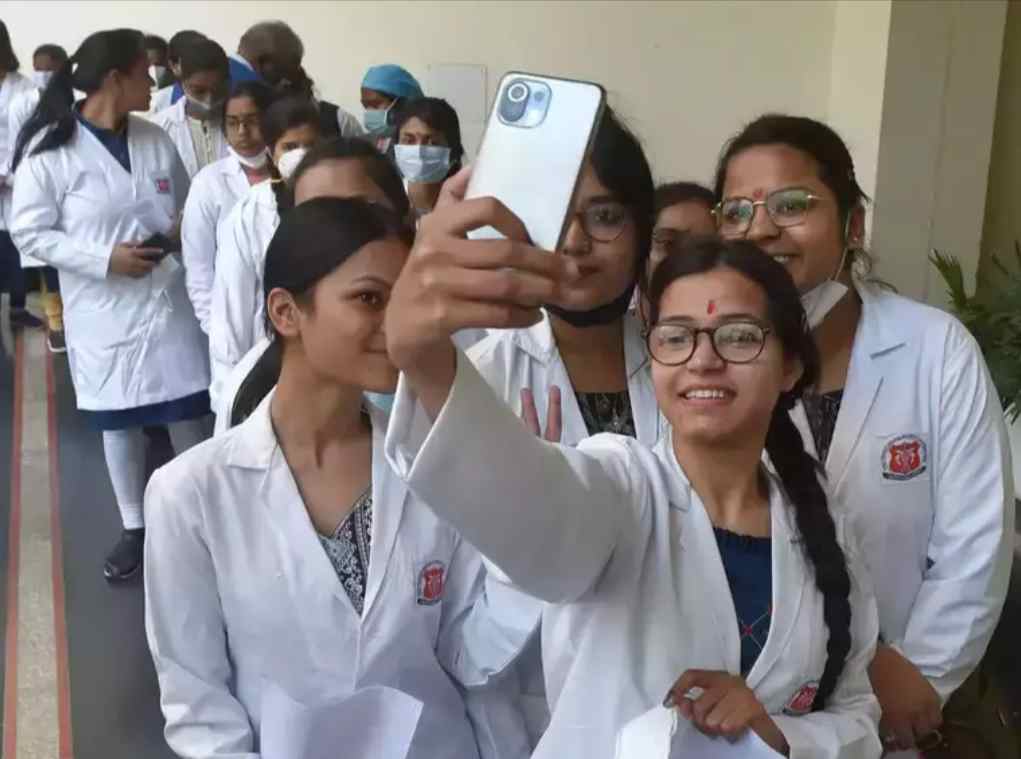
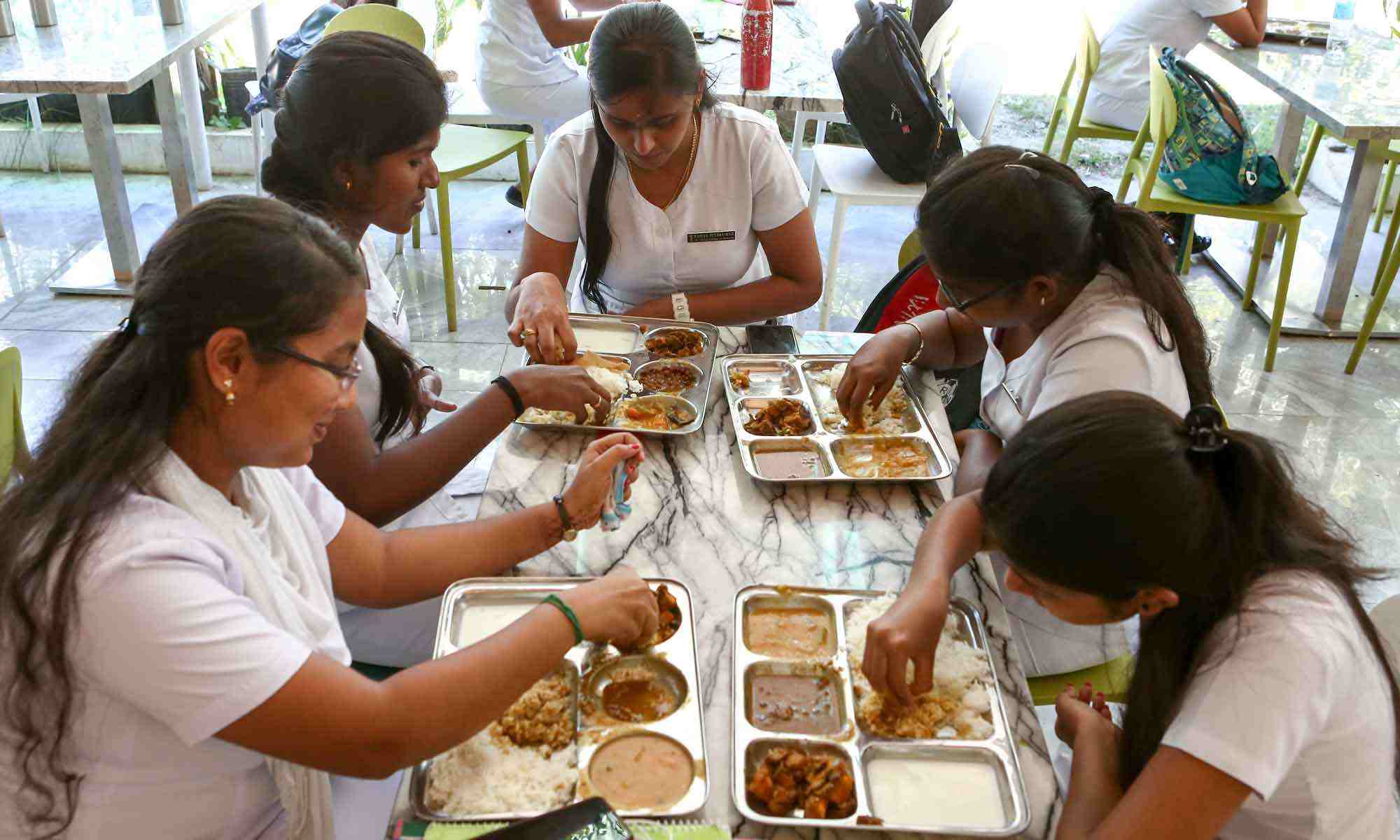
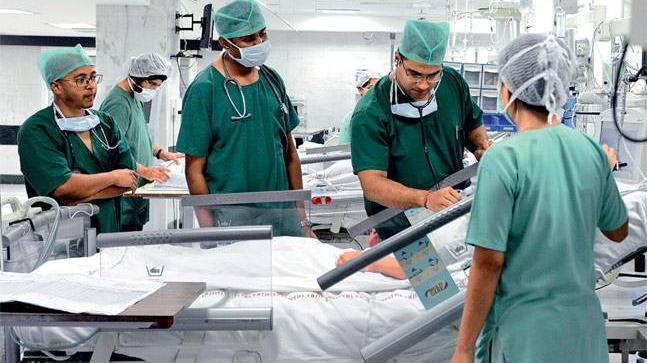
MBBS in India Practical Training, Classrooms, Indian Food, Hostel, Indian
Students